
Posts tagged interiors
Behind the 2023 Southern Living Idea House: The Artwork

What I learned about art and designed spaces

Working on the Idea House confirmed something I had already suspected but now know with certainty: great art does not need a neutral room to perform. It needs a room that is equally intentional.

In spaces where every decision has been made with care — where the proportions are right, the light is considered, the furniture is in genuine dialogue with the architecture — original art does not compete. It completes. It becomes the element that makes every other element more itself.

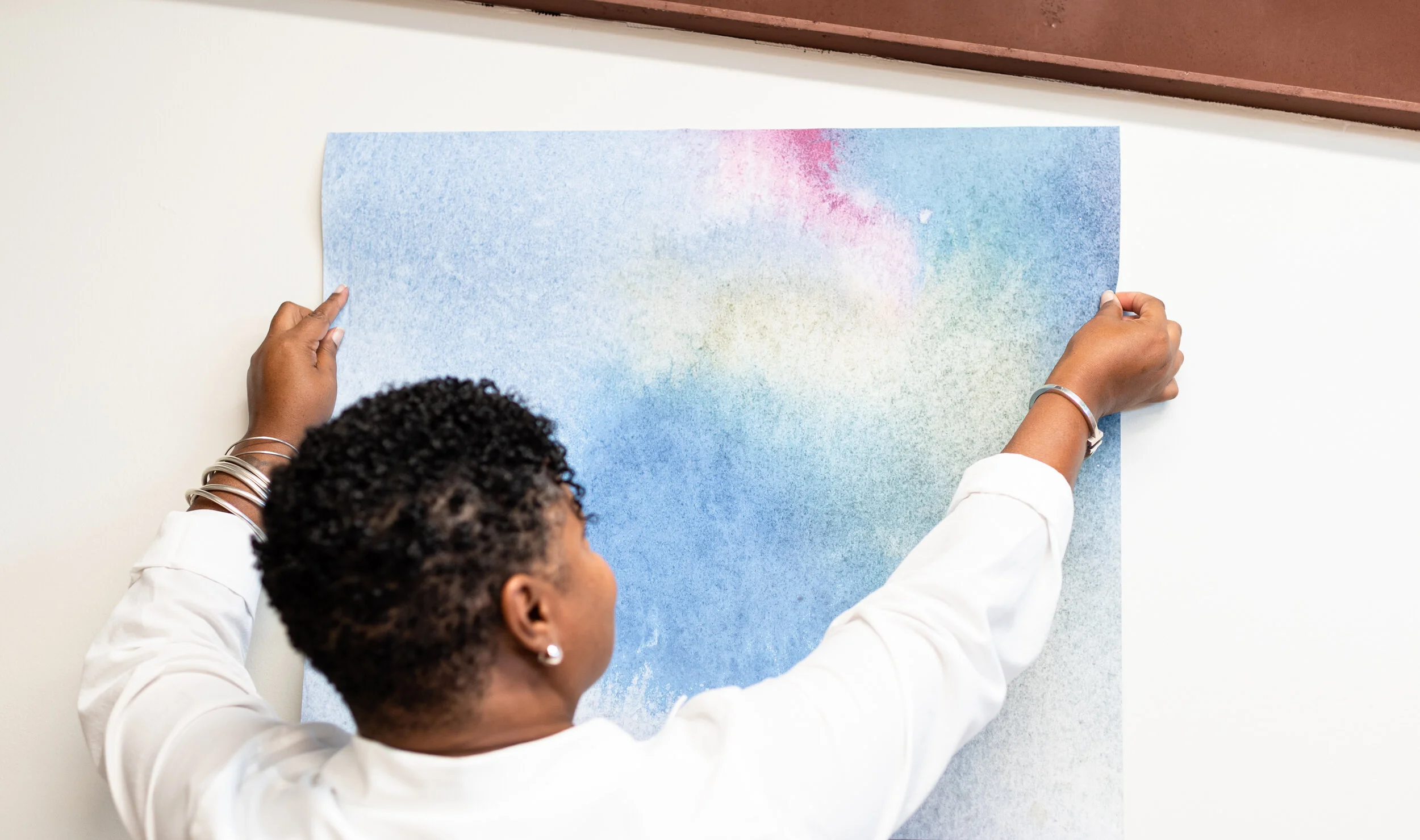
*Every Color in the Sunset* in that room looked different from how it looks anywhere else I have ever seen it. The room made it more luminous. The piece made the room more alive. That is the relationship between great art and great design when both are operating at their best.

The lesson I brought back to my own studio: do not make work that is afraid of a strong room. Make work that is confident enough to hold its own anywhere.

Read More
Why Original Art Is Worth More Than You Think — And How to Start Collecting Without Overwhelming Yourself

The most common thing I hear from people who have been thinking about commissioning a painting is some version of this: “I did not know I was allowed to do that.”

They have admired original art for years. They have a wall that has been waiting for the right piece. They know exactly how they want a room to feel. But somewhere along the way they got the idea that commissions were for corporations, or for people with unlimited budgets, or for collectors who already knew the art world from the inside.

None of that is true. And I want to tell you what commissioning a painting actually looks like — at least the way I do it — so that if you have been sitting on the idea, you can stop sitting on it.

Read More
What Happens in My Studio on the Second Saturday: An Open Invitation

Every second Saturday of the month, I open my studio at the ArtsXchange in St. Petersburg and let anyone walk through.

No ticket. No appointment. No obligation. No velvet rope, no gallery assistant with a clipboard, no sense that you need to know anything about art or have any intention of buying to deserve to be there.

Over 210 people come every month. And every month, something happens in that studio that I cannot reproduce online, in a newsletter, or in any photograph I take of the work.

 I want to tell you what that something is — and why I think coming to open studio might be the most useful thing you can do if you are curious about collecting original art.

Read More
How to Commission an Abstract Painting for Your Home

The most common thing I hear from people who have been thinking about commissioning a painting is some version of this: “I did not know I was allowed to do that.”

They have admired original art for years. They have a wall that has been waiting for the right piece. They know exactly how they want a room to feel. But somewhere along the way they got the idea that commissions were for corporations, or for people with unlimited budgets, or for collectors who already knew the art world from the inside.

None of that is true. And I want to tell you what commissioning a painting actually looks like — at least the way I do it — so that if you have been sitting on the idea, you can stop sitting on it.

Read More
What Makes Abstract Art Work in an Interior Space?

There are two ways to approach color when choosing abstract art for an interior. Both are legitimate. Most people default to the wrong one.

  • The wrong approach: Match the art to the room. Find the dominant colors in your furniture, your rugs, your walls, and look for art that picks up those colors and echoes them back. This approach produces interiors that feel coordinated but flat. The art becomes part of the decoration rather than the defining element. Everything matches. Nothing surprises.

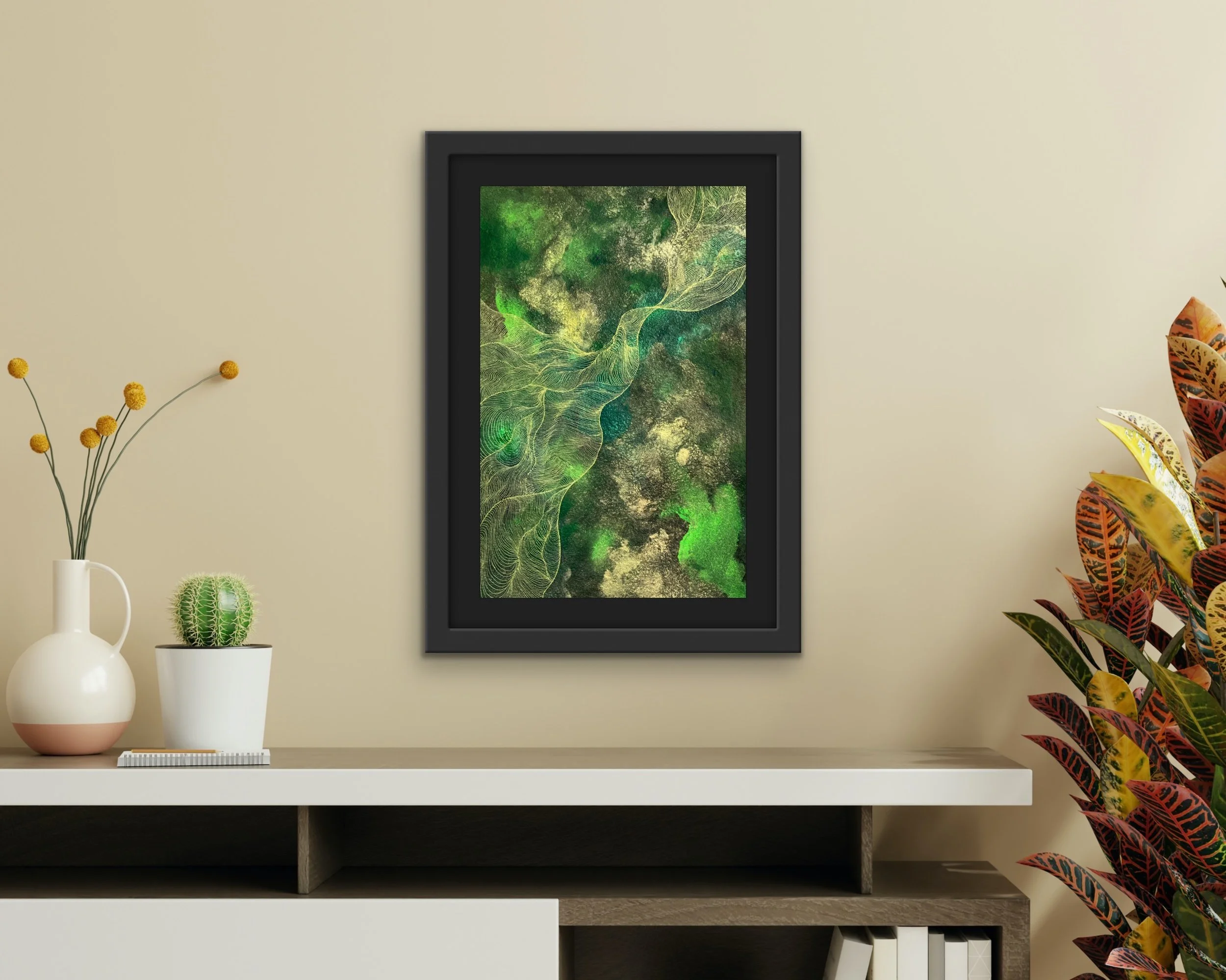
  • The right approach: Let the art lead the room. Choose a piece based on how it makes you feel and what energy you want the space to carry — and then let the room respond to the art, not the other way around.

Read More